Does homeowners insurance cover septic or sewer damage?
It depends on the policy and the cause. Some policies may cover sudden damage, such as a backup from a broken pipe. Wear and tear is often excluded. First, read your policy. Next, ask your insurer. Then ask a provider to help document the damage for a claim. Check your policy before you assume anything.
How do I choose a septic or sewer provider?
Use a short checklist. First, ask if the provider is licensed in your state. Next, ask what the job includes. Then ask for a written quote. Compare two if you can. Providers in our network are independent, so you stay in control. Pick the one that explains the work clearly.
Can I fix a septic problem myself?
Some small jobs are fine, like fixing a running toilet or spreading out laundry loads. Stay out of the tank. Gases inside can be dangerous, and lids can be heavy or damaged. Digging near a drainfield or sewer line can cause more harm. For anything below ground, ask a local provider.
How often should a septic tank be pumped?
Many homes need pumping every three to five years. The right timing depends on tank size, household size and water use. Check the clock on your last service date. A provider can measure the sludge layer and tell you when to book. Keep a record of each visit for future reference.
What are early warning signs of a septic problem?
Watch for these signs. Slow drains in several rooms. Gurgling pipes. Sewage smells near the tank or yard. Soggy, bright green grass over the drainfield. Wet ground is common in a long rainy season, so do not ignore it. If you see two or more signs, request an estimate.
What does septic tank pumping usually cost?
In the U.S., pumping often runs a few hundred dollars. Price varies by tank size, access, distance and local fees. A hard-to-reach lid can add time. Repairs cost more than pumping. Get it in writing before work starts, so you know what is included.
What should I never flush or pour down the drain?
Keep out wipes, even ones labeled flushable, plus grease, paint, solvents, feminine products and dental floss. Go easy on bleach and harsh cleaners. These can clog pipes or harm the bacteria that break down waste. Only toilet paper and waste belong in the toilet.
Should I worry about my septic system during heavy rain?
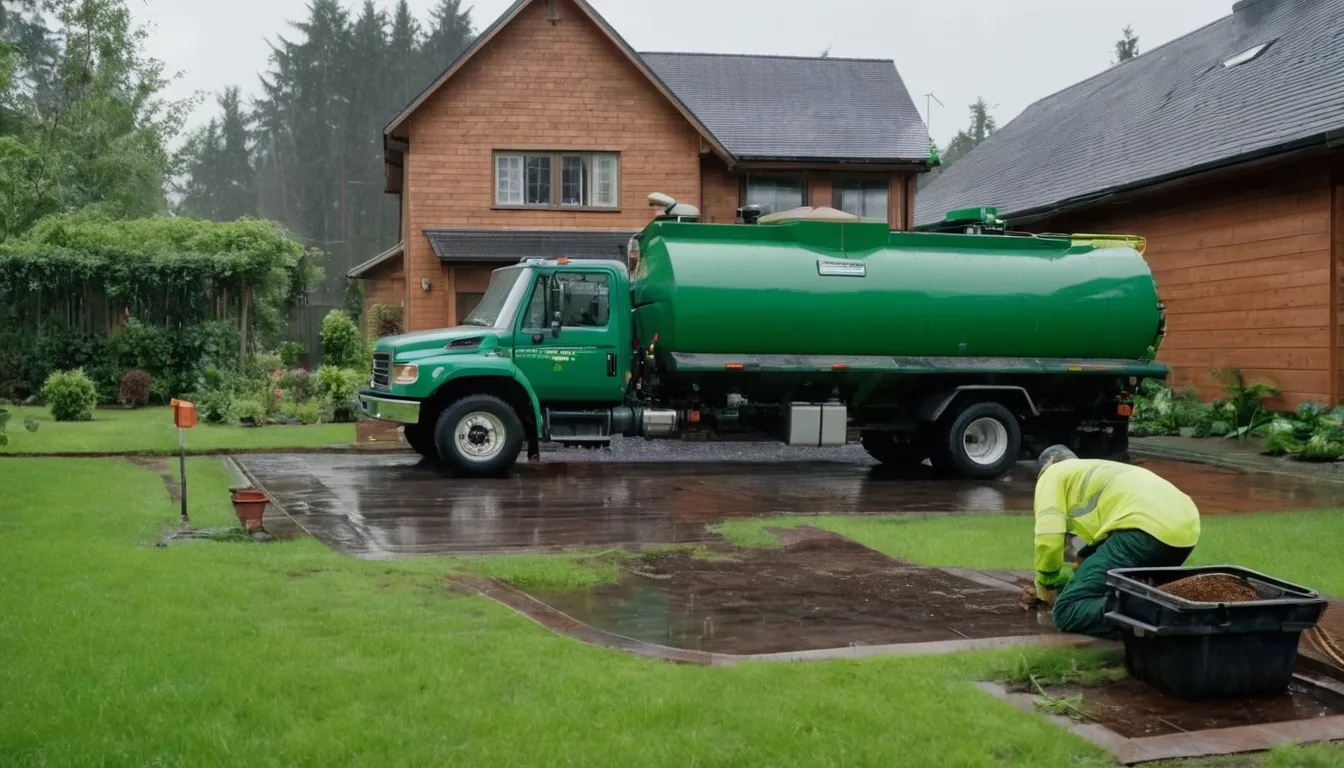
Yes, a little. Steady rain can soak the ground around the drainfield. Then water has nowhere to go, and drains may slow or back up. Spread out laundry, fix leaky fixtures and keep roof water away from the field. If sewage backs up inside, stop using water and request a callback to check provider availability. Emergency septic cleaning may be an option with some providers.