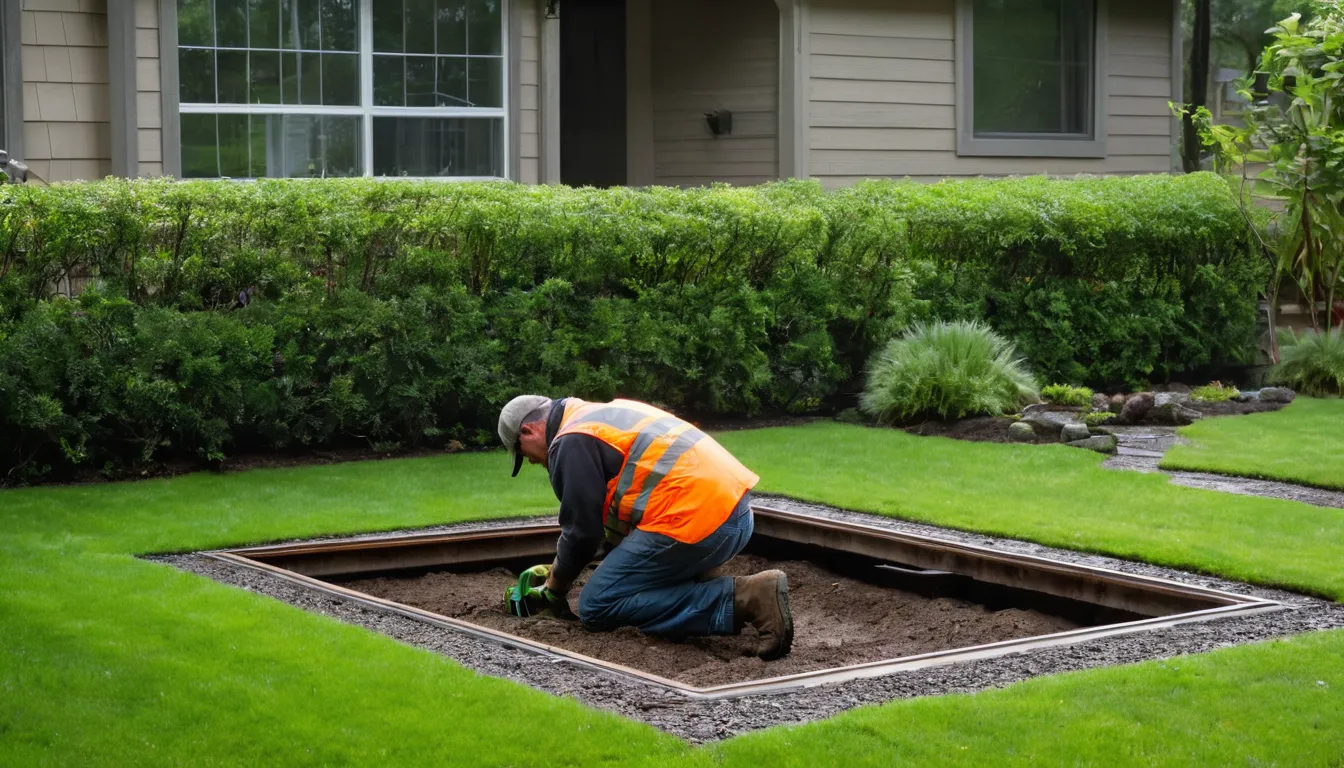
A sewer line carries all the waste water out of your home. When it cracks, clogs or collapses, the water has nowhere to go. It backs up into drains, or it leaks into the soil under your yard and crawl space.
Devicesterritory Septic is a referral service. Devicesterritory Septic does not do the repair work. It connects homeowners in the Tacoma area with independent local providers who inspect the line, explain the options, and do the work. This page shows what happens hour by hour and day by day, what drives the price, and what to ask before you say yes. You will also find warning signs, common causes, and a simple checklist to keep the line healthy. There is no obligation to hire anyone.
Sewer Line Trouble: Check the Clock First
Sewer problems follow a timeline. What you do in the first hours changes how much damage you get. Use the steps below in order.
Hour 1: Stop Adding Water
First, stop sending water down the drains. Then do these things:
- Skip showers, laundry and the dishwasher.
- Do not flush toilets.
- Keep kids and pets away from any wet floor.
- Wear gloves and boots if you must walk through the area.
Hours 2 to 12: Look and Document
Next, find where the water shows up. The drain at the low point of the house, often a basement or crawl space drain, backs up first. Take photos and short videos. Write down the time you noticed the problem. Providers can often help document damage for a claim.
Request a callback to check provider availability. Many providers can respond quickly to a backup.
Day 1 to Day 3: Dampness Spreads
Wet wood-frame floors and crawl space insulation soak up sewage water. In our long wet season, the soil outside is already full. Damp spots can spread, and odors set in. Mold can start to grow on damp wood in a few days.
Day 4 to Week 2: Slow Damage Sets In
A small leak keeps washing soil away from the pipe. That makes a hollow under the yard. Lawn sinks, the crack widens, and a spot repair can turn into a longer dig. Waiting is the most common way a smaller job becomes a bigger one.
Get Started
Signs of a Sewer Line Problem
Check your home for these signs:
- Several drains slow down at once.
- Gurgling sounds from toilets or tubs.
- Sewage smell in the yard or near the foundation.
- Wet, bright green patches over the pipe path.
- Small sinkholes in the lawn.
- Water coming up in a floor drain when you run the washer.
One slow sink is usually a local clog. Two or more problems together point to the main line.
What Damages Sewer Lines
Most damage comes from a short list of causes:
- Tree roots. They push into joints looking for water.
- Old pipe. Clay, cast iron and Orangeburg pipe in older craftsman houses can crack, flake or flatten.
- Shifting soil. Steady rain softens the ground. Windstorms topple trees that pull on pipes.
- Poor past repairs. Loose joints and sags collect waste.
- Heavy loads. Driving over a shallow line can crush it.
How Sewer Line Repair Works: First, Next, Then
First: Camera Inspection
The provider feeds a small camera into the line. It shows the crack, root mass or sag, and how far down it sits. Ask to see the video.
Next: Pick a Repair Method
There are three common paths:
1. Clear and monitor. Cut roots or clear a clog when the pipe is still sound. 2. Trenchless repair. A liner or pipe-bursting method fixes the pipe with little digging. 3. Dig and replace. The provider opens a trench and swaps the bad section.
Then: Test and Close
After the work, the provider runs water through the line and often scopes it again. Then the trench is filled and the area is cleaned up.
Permits and Property Lines
Rules differ by town. Many places require a permit for sewer work, and some require an inspection before the trench is closed. Ask the provider who pulls the permit.
Also find out where your responsibility ends. In many areas you own the pipe from the house to the street connection. In others, the city owns the part under the street. Check with your local sewer office before you plan work.
What Drives the Price
Three things move the price most: how deep the pipe is, how long the damaged section is, and what sits on top of it. A lawn is cheaper to reopen than a driveway or a patio. Method matters too. See the cost table below for typical U.S. ranges. Your job may differ, so get it in writing.
Get Started
Septic or Sewer? Check Which You Have
If your home is on a septic system, the pipe leaves the house and goes to a tank, not to the street. Tank problems have their own steps, like septic tank pumping, drainfield repair and emergency septic cleaning. If you also use a private well, ask the provider about water well service and testing when sewage may have reached the soil.
Keeping Your Sewer Line Healthy
A short checklist helps:
- Flush only toilet paper and waste.
- Keep grease, wipes and paper towels out of drains.
- Do not plant thirsty trees near the line.
- Know where your cleanout is.
- Have the line scoped before you buy an older house.
Restoring Your Yard
Digging leaves a mess. Ask before the work starts whether backfill, grass seed, gravel or paving is part of the quote. In damp weather, bare soil can wash away or grow moss fast, so ask how the provider plans to protect it. Some policies may cover sudden damage, so check your policy and ask what paperwork the provider can supply.
Questions to Ask the Provider
Before you agree, ask:
1. Will you camera-inspect the line first, and can I see the video? 2. Which repair method fits, and why? 3. Is the permit included in the quote? 4. What happens if you find more damage after digging starts? 5. Is yard restoration included? 6. Can I get the scope and price in writing?
What's Included
Camera Line Inspection
A provider looks inside the pipe to find the crack, root mass or sag before any digging.
Root Clearing
Roots are cut out of the line so water flows again.
Trenchless Pipe Repair
Liners or pipe bursting can fix a damaged line with much less digging.
Section Replacement and Cleanup
Broken pipe is dug out and replaced, then the trench is filled and the area tidied.
Typical Sewer Line Repair Costs
Prices vary with pipe depth, length, access and method. These are typical U.S. ranges only. Ask each provider for a written quote that lists exactly what is included.
| Item | Typical range | Notes |
|---|
| Camera inspection | $100 – $500 | Often worth doing before any repair decision |
| Clearing roots or a clog | $150 – $600 | Roots can grow back in a few seasons |
| Cleanout installation | $500 – $2,500 | Gives easier access for later service |
| Spot repair of one section | $1,000 – $4,000 | Depends on depth and what covers the pipe |
| Trenchless lining or bursting | $3,000 – $12,000 | Less digging, but not right for every pipe |
| Full line replacement | $3,000 – $25,000 | Long runs, deep pipe and paving raise the price |
Get Started
How It Works
Stop the water
Hold off on showers, laundry and flushing. Take photos of any backup and note the time you saw it.
Reach a provider
Request a callback to check provider availability, or send the request form.
Review the inspection
Ask to see the camera video and hear the repair options in plain words.
Get it in writing
Compare written quotes. Check scope, permit, yard cleanup and price before you agree.
Why Call Devicesterritory Septic
Providers do the work
Devicesterritory Septic only refers. Independent local providers inspect, repair and stand behind their own work.
Built like a checklist
Spot the sign, check the clock, reach a provider. Each step is short and clear.
Price clarity
Know what drives the cost, then ask for a written quote before work begins.
No obligation
Request an estimate, compare what you hear, and decide at your own pace.
Other Services